MediAsia2026 Overview


International, Intercultural, Interdisciplinary

The 17th Asian Conference on Media, Communication & Film (MediAsia2026) will be held alongside The 7th Kyoto Conference on Arts, Media & Culture (KAMC2026) as a part of the IAFOR's Asian Conference Series in Japan, and many of the sessions will concentrate on areas at the intersection of education, media, arts and culture. In keeping with IAFOR’s commitment to interdisciplinary study, delegates at either conference are encouraged to attend sessions in other disciplines. Registration for either conference will allow delegates to attend sessions in the other. We expect the resultant professional and personal collaborations to endure for many years, and we look forward to seeing you in Kyoto and online!


Join us in Kyoto for MediAsia2026!

November 09-13, 2026 | Held in Kyoto, Japan, and Online

Welcome to The 17th Asian Conference on Media, Communication & Film (MediAsia2026), held in partnership with the IAFOR Research Centre at the IAFOR Research Centre at the Osaka School of International Public Policy (OSIPP) in The University of Osaka, Japan.

MediAsia2026 encourages academics and scholars to meet and exchange ideas and views in an international forum stimulating respectful dialogue. This event will afford an exceptional opportunity for renewing old acquaintances, making new contacts, networking, and facilitating partnerships across national and disciplinary borders.

Since its founding in 2009, IAFOR has brought people and ideas together in a variety of events and platforms to promote and celebrate interdisciplinary study, and underline its importance. IAFOR continues to engage in many cross-sectoral projects across the world, including those engaging leading universities (Virginia Tech, UCL, Singapore Management University, University of Belgrade, Lingnan University, Barcelona University, University of Hawai’i, Moscow State University), think tanks, research organisations and agencies (the East-West Center, The Center for Higher Education Research, The World Intellectual Property Organization), and collaborative projects with governments, and international governmental organisations (Government of Japan through the Prime Minister’s office, the United Nations in New York), media agencies (The Wall Street Journal, JWT, HarperCollins).

With the IAFOR Research Centre at The University of Osaka, we have engaged in a number of interdisciplinary initiatives we believe will have an important impact on domestic and international public policy conversations and outcomes.

IAFOR's unique global platform facilitates discussion around specific subject areas, with the goal of generating new knowledge and understanding, forging and expanding new international, intercultural and interdisciplinary research networks and partnerships. We have no doubt that MediAsia2026 will offer a remarkable opportunity for the sharing of research and best practice and for the meeting of people and ideas.

We look forward to seeing you in Kyoto and online!

The MediAsia2026 Conference Programme Committee

Key Information
  • Venue & Location: Held in Kyoto, Japan, and Online
  • Dates: Monday, November 09, 2026 ​to Friday, November 13, 2026
  • Early Bird Abstract Submission Deadline: May 15, 2026*
  • Final Abstract Submission Deadline: July 24, 2026
  • Registration Deadline for Presenters: September 04, 2026

*Submit early to take advantage of the discounted registration rates. Learn more about our registration options.

Back to Top


Plenary Speakers

To be announced

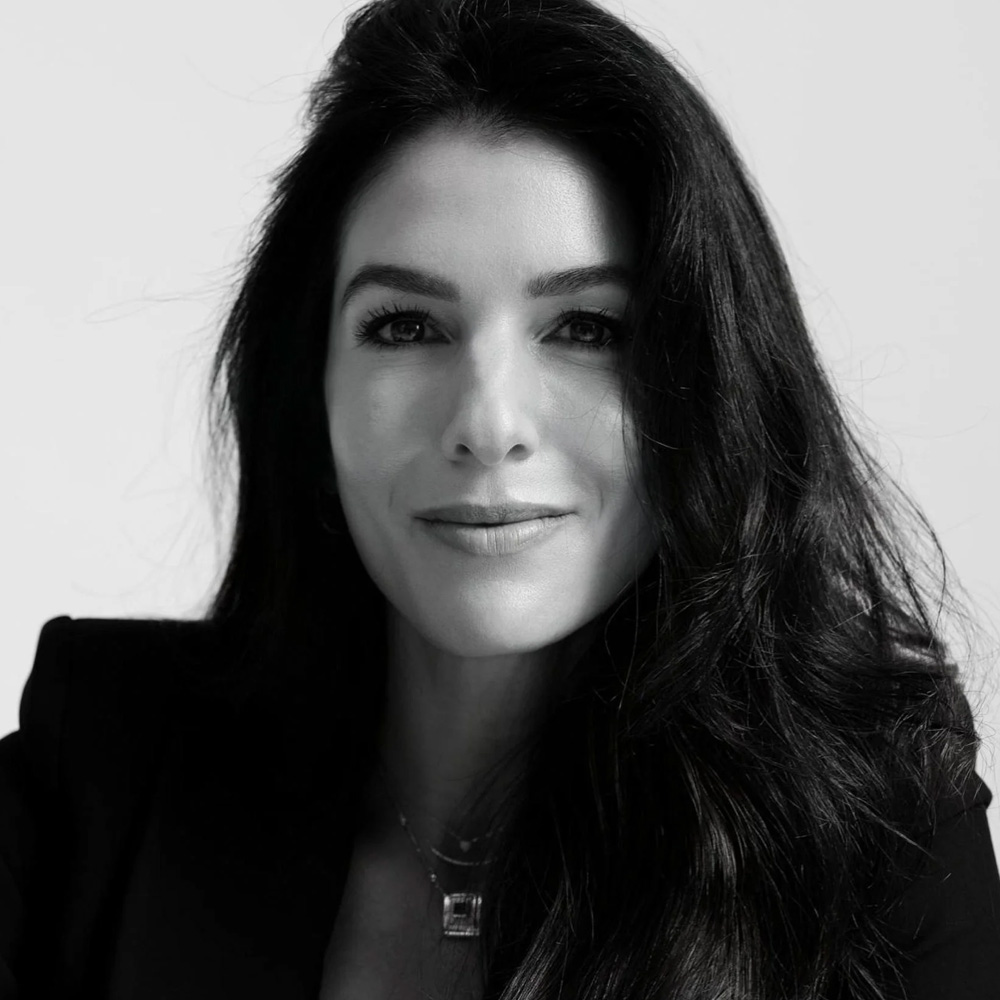
  • Krystal Chryssomallis
    Krystal Chryssomallis
    Photographer and Cultural Producer, United States
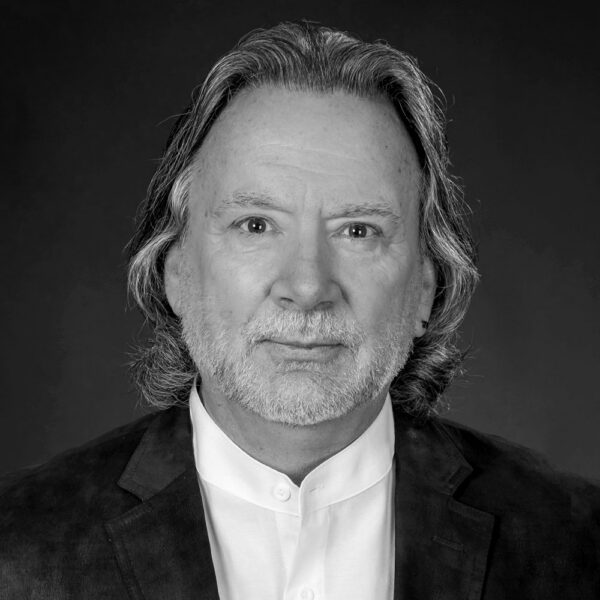
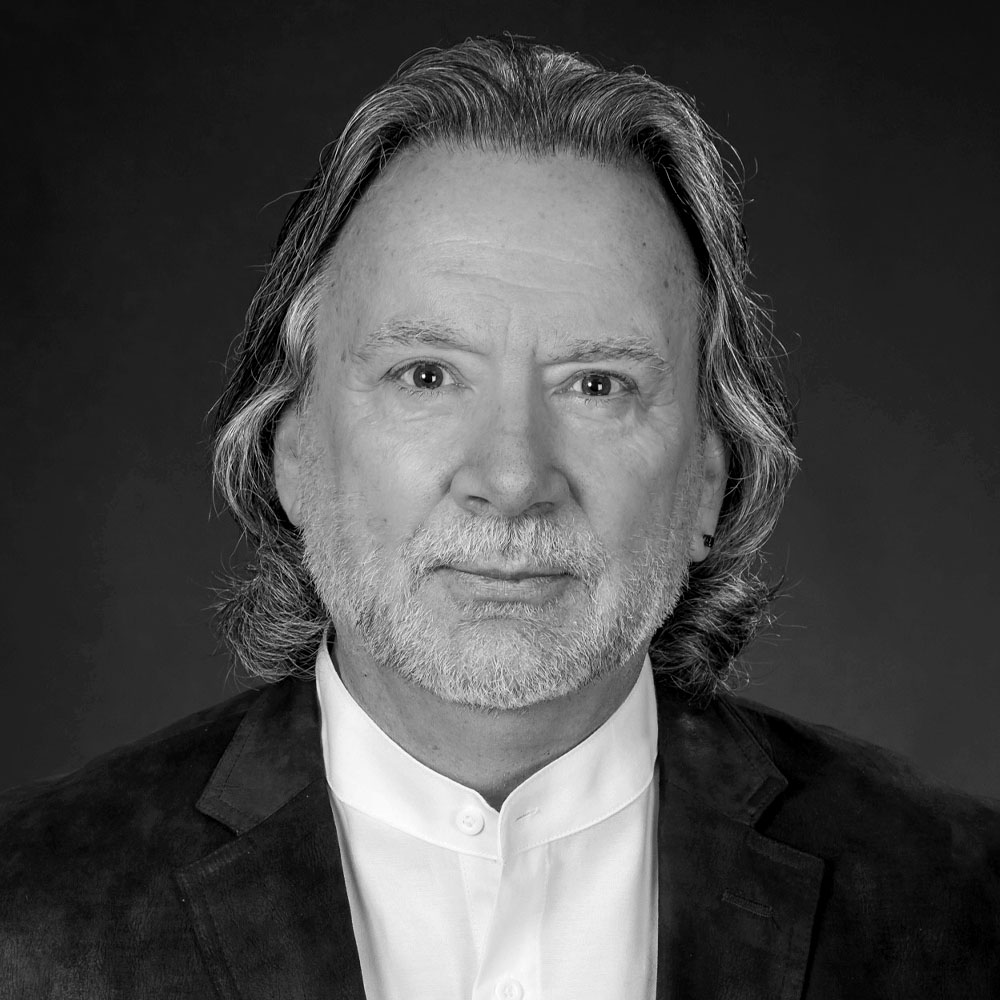
  • Thomas G. Endres
    Thomas G. Endres
    University of Northern Colorado, United States
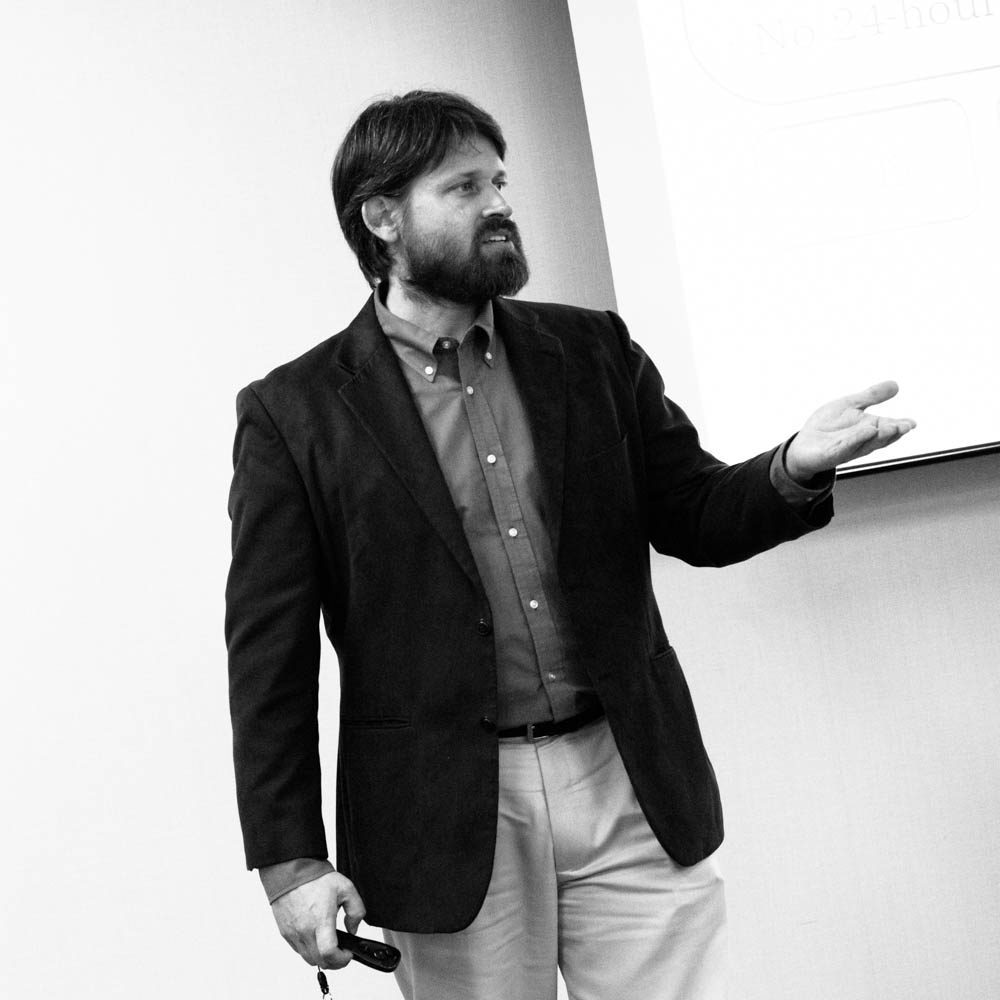
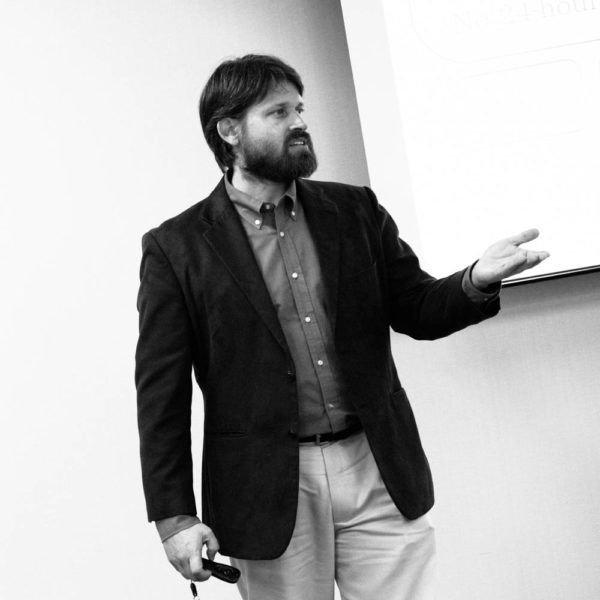
  • David McNeill
    David McNeill
    University of the Sacred Heart, Japan
Back to Top


Programme

To be announced

  • The Forum
    The Forum
    Come share your thoughts and experiences as global educators and researchers.
  • TikToking Ourselves to Death: Journalism in Japan in the Age of Social Media
    TikToking Ourselves to Death: Journalism in Japan in the Age of Social Media
    Keynote Presentation: David McNeill
  • Stories That Make Us Human: A Photo-Ethnographic Review of Rhetorical Communities
    Stories That Make Us Human: A Photo-Ethnographic Review of Rhetorical Communities
    Keynote Presentation: Thomas G. Endres
  • Luck Is a Skill: A Real-Time Framework for Navigating Uncertainty and Creating Better Outcomes
    Luck Is a Skill: A Real-Time Framework for Navigating Uncertainty and Creating Better Outcomes
    Featured Workshop Session: Krystal Chryssomallis

Back to Top


Conference Committees

The International Academic Board (IAB)

Professor Anne Boddington, IAFOR, Japan (IAB Chair)
Dr Joseph Haldane, IAFOR & The University of Osaka, Japan
Professor Jun Arima, IAFOR & The University of Tokyo, Japan
Professor Virgil Hawkins, IAFOR Research Centre & The University of Osaka, Japan
Mr Lowell Sheppard, IAFOR & Never Too Late Academy, Japan

Professor Umberto Ansaldo, VinUniversity, Vietnam
Dr Susana Barreto, University of Porto, Portugal
Professor Grant Black, Chuo University, Japan
Dr Evangelia Chrysikou, The Bartlett School of Sustainable Construction, University College London, United Kingdom
Professor Donald E. Hall, Binghamton University, United States
Professor Brendan Howe, Ewha Womans University, South Korea & The Asian Political and International Studies Association (APISA)
Dr James W. McNally, University of Michigan, United States & NACDA Program on Aging

Back to Top


Conference Programme Committee

Dr Nasya Bahfen, La Trobe University, Australia
Dr Thomas G. Endres, University of Northern Colorado, United States
Dr Joseph Haldane, IAFOR and The University of Osaka, Japan, & University College London, United Kingdom
Professor Bradley J. Hamm, Medill School of Journalism, Northwestern University, United States
Dr Virgil Hawkins, The University of Osaka, Japan
Dr Eric Hawkinson, Kyoto University of Foreign Studies, Japan
Dr Gloria Khamkar, Bournemouth University, United Kingdom
Professor Timothy W. Pollock, Osaka Kyoiku University / Osaka Metropolitan University, Japan
Professor Padma Rani, Manipal Academy of Higher Education, India
Dr Paul Spicer, Hokkaido University, Japan

Back to Top


Conference Review Committee


Professor Azza Ahmed, Zayed University, United Arab Emirates
Dr Christine Anne Cox, Ateneo de Manila University, Philippines
Professor William Kunz, University of Washington Tacoma, United States
Dr Hsin-lun Li, National Sun Yat-sen University, Taiwan
Dr Rijita Mukherjee, Christ (deemed to be) University, India
Dr Michael Ogden, Zayed University, United Arab Emirates
Professor Oluyinka Osunkunle, University of Fort Hare, South Africa
Dr Paul Spicer, Hokkaido University, Japan

Back to Top

Krystal Chryssomallis
Photographer and Cultural Producer, United States

Biography

Krystal Chryssomallis is an internationally recognised photographer, cultural producer, visual storyteller, and educator whose work is devoted to amplifying the good through stories and experiences that foster trust, empathy, connection, and lived impact.

Over the past two decades, her work has taken her across more than 60 countries, shaping global productions, large-scale live events, and international storytelling initiatives, including projects staged at six UNESCO World Heritage sites. Her collaborations span global brands, humanitarian initiatives, and institutional partners, including UNICEF, NASA, PBS, Boeing, IMAX, Disney, FIFA, and the World Wildlife Fund. Her fine art photography translates this global experience into enduring works held in private collections, cultural institutions and hospitality environments, including an exhibition at Xposure in Sharjah, UAE.

She has also served as a judge for the Travel Photographer of the Year Awards and The Drum Awards, and as a Panda Ambassador for WWF. Across her work in cultural production, photography, storytelling, education, humanitarian advocacy, and social impact, she explores how perception shapes human connection, decision-making, creativity, adaptability, and meaningful action across language, culture, and difference.

She has recently served as a judge for the Travel Photographer of the Year Awards and has been preparing to travel to Sri Lanka, serving as a mentor for this year’s winners. War intervened, so those plans have changed, and she is now preparing a masterclass via Zoom. See Krystal’s photography portfolio at: https://www.krystalan.com/portfolio

Workshop Presentation (2026) | Luck Is a Skill: A Real-Time Framework for Navigating Uncertainty and Creating Better Outcomes
Thomas G. Endres
University of Northern Colorado, United States

Biography

Thomas G. Endres is Professor of Communication Studies at the University of Northern Colorado, United States, where he teaches courses in communication theory, popular culture, group dynamics, and leadership. In a career marked primarily by administrative responsibilities, he found time to conduct research using Bormann’s Symbolic Convergence Theory (SCT) to identify the use of stories in creating rhetorical communities. He is author and photographer of Sturgis Stories: Celebrating the People of the World’s Largest Motorcycle Rally (Kirk House, 2002) and My Costume, Myself: Celebrating Stories of Cosplay and Beyond (Kirk House, 2001, 2023) and co-author, with Deanna D. Sellnow, of The Rhetorical Power of Popular Culture: Considering Mediated Texts, 4th ed. (Sage, 2023). His updated essay on SCT will appear in the forthcoming 2nd edition of Wiley-Blackwell's The International Encyclopedia of Communication Theory and Philosophy. He has delivered more than 250 presentations, workshops, and keynote addresses across the United States (including Alaska, Hawaii, and Puerto Rico) and abroad, including presentations in Austria, China, the Czech Republic, Japan, Spain, Thailand, Türkiye, and the United Kingdom.

Keynote Presentation (2026) | TBA

Previous Presentations

Keynote Presentation (2022) | Costume Conversations: Resilience and Representation in Cosplay and Beyond
David McNeill
University of the Sacred Heart, Japan

Biography

Dr David McNeill was born in the United Kingdom and raised in Ireland. He was awarded his PhD from Napier University in Edinburgh in 1998. He has since taught at universities in Ireland, the United Kingdom, China, and Japan, and is currently Professor of Liberal Arts at the University of the Sacred Heart, Japan. He is an editor and board member of the Asia-Pacific Journal: Japan Focus, was previously a correspondent for The Independent, The Economist and The Chronicle of Higher Education, and a columnist for The Mainichi Shimbun and The Japan Times. Dr McNeill is a long-time member of the Foreign Correspondents’ Club of Japan and currently edits No1 Shimbun, the FCCJ’s house magazine, while also serving as co-chair of the FCCJ’s Freedom of the Press Committee. He is co-author of Strong in the Rain: Surviving Japan's Earthquake, Tsunami and Fukushima Nuclear Disaster (Palgrave Macmillan 2012) and Japanese Rebels: Non-conformists in a Conformist Society (Routledge, 2026).

Keynote Presentation (2026) | TikToking Ourselves to Death: Journalism in Japan in the Age of Social Media
The Forum
Come share your thoughts and experiences as global educators and researchers.

The Forum is a plenary session designed as a platform for international, intercultural, interdisciplinary – and inclusive – discussions, joining experts and practitioners alike in an open dialogue format. Come share your thoughts and experiences as global educators and researchers.

The Forum will take place in two separate formats.
The Forum (Onsite) will be held at the venue and is exclusively for Onsite participants

The Forum (Online) will take place on the Online Day and is open to all Conference participants and IAFOR Members.

Overviews of the ideas, conversations, and key takeaways generated from the discussion at these sessions are recorded and archived in the Conference Report and Intelligence Briefing (ISSN: 2759-4939)

TikToking Ourselves to Death: Journalism in Japan in the Age of Social Media
Keynote Presentation: David McNeill

In November 2024, Motohiko Saito was re-elected governor of Hyogo Prefecture, Japan, an apparently unremarkable event that portends a major shift in the media. Saito quit after a unanimous no-confidence motion over workplace bullying. Lacking any political backing, he was criticised for months in the legacy media. Yet, he won 250,000 more votes than his previous election in 2021. Political comebacks of this kind in the face of a hostile press are exceptionally rare in Japan: the only other governor since 1945 to return to office following a no-confidence motion was Yasuo Tanaka in 2002. Saito’s secret weapon was social media. An NHK survey found that 30% of voters relied on YouTube and other video-sharing sites to source their information, 6% higher than either newspapers or television.

It will take time to digest the historical import of the Hyogo election, but there can be little doubt about one underlying truth: the ability of the once all-powerful Japanese media to shape political narratives is declining. The young have largely abandoned their parents’ habit of reading a newspaper every day and shun television for social media. Politicians such as Saito, Shinji Ishimaru, the surprise runner-up in the 2024 Tokyo gubernatorial election, and Prime Minister Sanae Takaichi have taken note.

Read presenter's biography
Stories That Make Us Human: A Photo-Ethnographic Review of Rhetorical Communities
Keynote Presentation: Thomas G. Endres

How do stories create communities? In an era where AI can increasingly produce convincing simulations of lived human experience, this question takes on new significance, reminding us of the importance of attending to human experience as it is lived, remembered, communicated, and shared.

This keynote presentation examines four decades of research applying Bormann’s Symbolic Convergence Theory (SCT) to the stories and narratives through which rhetorical communities form. This retrospective highlights three major photo-ethnographic projects focused on distinct communities: motorcyclists and bikers, tattooed people, and cosplayers and costume enthusiasts. The talk explores how personal experience becomes narrative, how narratives circulate within communities, and how shared stories create connections among people through photographs and the favourite stories shared by projects’ participants.

As AI becomes increasingly capable of producing convincing simulations of human experience, this keynote argues that scholars must remain committed to studying the authentic intelligence of human beings. The lived experiences, memories, stories, and relationships through which communities are created and sustained are vital in chronicling and sustaining the lived communities we research, promote, and distribute through media and the arts. This talk also features related investigations in Japanese research that focus on narratives through which people make meaning of their lives within communities.

Read presenter's biography
Luck Is a Skill: A Real-Time Framework for Navigating Uncertainty and Creating Better Outcomes
Featured Workshop Session: Krystal Chryssomallis

At a time of rapid technological, social, environmental, and cultural change, leaders, educators, artists, media professionals, and students are increasingly asked to make decisions in uncertain conditions. When something unexpectedly good happens: a right opening appears, a valuable connection is made, or a creative choice leads to an unforeseen outcome. We often call it ‘luck’.

Through years of producing worldwide events and cultural experiences, internationally renowned photographer and cultural producer Krystal Chryssomallis began to notice that these moments were not as random as they appeared. Working with governments, international artists, global institutions, and local communities, she observed how people navigated uncertainty and responded to unexpected opportunities. These observations became the basis for the Mirror Method™, a real-time framework for strengthening perception, recognising possibilities, and creating better outcomes when the path is still unfolding.

In this featured workshop session, the Mirror Method™ will be introduced through examples and photographs from her global cultural work before guiding participants through a practical scenario in which they can experience how a shift in perception changes what they notice, how they interpret a situation, and what options become available.

The session will explore how the framework can support adaptability, creative confidence, human-centred leadership, meaningful storytelling, and opportunity recognition across cultural, academic, leadership, and humanitarian contexts. The approach also connects with the concept of Adaptability Quotient (AQ), the capacity to respond constructively to uncertainty, change, and complexity, by offering participants a practical framework they can apply when adaptability is most needed. Participants will leave with a Mirror Method™ practice they can apply immediately to a real-world situation, and with a clearer understanding of how perception shapes decision-making and action in uncertain environments.

Read presenter's biography